
Foreign Languages
BJU Press’s foreign language product lines equip students to engage in practical communication by using language in an active, cultural context. Students participate in regular practice through activities, puppets, read-aloud books, and audio files and build skills through listening, reading, writing, and speaking. These products support the development of proficiency from elementary up through the secondary years as they relate to students’ everyday lives, personal interests, and studies, and as they shape a biblical view of cultural engagement.


Vision
To equip students to engage in practical and meaningful Spanish communication with proficiency and cultural awareness.
Goals
- To develop vocabulary and linguistic structures needed for language acquisition
- To develop level-appropriate interpretive, interpersonal, and presentational communication through language functions within a meaningful context
- To expose students to authentic texts in Spanish
- To develop proficiency through exposure, comprehension, and language production
- To build awareness and appreciation of Hispanic culture, including music, art, food, clothing, and literature
- To prepare students to apply a biblical worldview in cultural engagement
Program Approach for High School Spanish
The BJU Press secondary Spanish program introduces students to a foreign language through active cultural contexts. The purpose of language acquisition is not to fulfill state requirements or pass a test, but to equip students to use a new language in their lives. That means helping them become functional and proficient in that language. The ¡Nuevos Amigos! program uses an innovative, research-based approach to help students acquire the language in practical contexts instead of requiring memorization of mechanical rules and vocabulary. As students progress through the program, they will go from a novice level of proficiency to an intermediate-high level on the ACTFL (American Council on the Teaching of Foreign Languages) proficiency continuum. Teachers will have opportunities to immerse their students in Spanish with listening activities, conversation practice, authentic texts, cultural features, and more. Ultimately, we want to equip students to engage and communicate with new cultures so that they can be ambassadors for Christ wherever they go.
Developing Interpretive, Interpersonal, and Presentational Communication
As beings created in the image of God, we have the unique ability to communicate through language. The BJU Press high school Spanish program presents new words through conversations in activities, artwork, and listening sections. Rather than learning isolated words and structures, students explore new words through real-life examples. Spanish 1 introduces words through themes and situations such as making introductions and communicating in the classroom. In Spanish 2, students will learn new words with several friends as they have natural conversations. Students will also have opportunities to collaborate as they learn new words and structures together. Teachers can encourage students to participate in the classroom activities, knowing their efforts will pay off even if their Spanish is not perfect. Teachers may also select from a variety of written and oral assignments to develop students’ presentational skills.

Developing Vocabulary and Linguistic Structures
Acquiring new words and phrases takes place most effectively when words and structures are presented and practiced within a communicative context. At the novice level, students rely on basic vocabulary and scripted language. Each chapter introduces new vocabulary at the beginning for immediate use, and activities guide students to apply these words while developing an understanding of the language’s structure. Videos and a grammar manual provide additional support, and activities can be completed by following instructions presented in English. In addition to this, we now offer video explanations for more difficult parts of grammar. QR codes to files in AfterSchoolHelp.com are available for the student to access the audio and video files more easily.
Developing Proficiency
Our Spanish textbooks were prepared following the latest research on methods from the field of Second Language Acquisition. They also align with the ACTFL World-Readiness Standards for Learning Languages.
Foreign language studies have very little purpose unless the student can become functionally competent with the language. To ensure students can use the language, not just perform well on a test, the BJU Press high school Spanish program focuses on developing proficiency by consistently exposing students to Spanish, encouraging comprehension, and then helping students to produce the language in written or verbal communication. As students progress in language learning, we provide increasing opportunities for students to interact with Spanish words and structures through listening activities and authentic texts. To continue their development, we provide assignments and suggestions to help them use what Spanish they know in written and spoken presentations.
Exposing Students to Authentic Material
To prepare students for natural communication with native speakers, we focus on presenting them with authentic material. Material that has been created by native speakers for other native speakers—whether menus, event programs, posted signs, news articles, or native conversations—helps students learn how to communicate with words and structures that would not seem out of place outside the classroom.
Building Awareness and Appreciation of Spanish Cultures
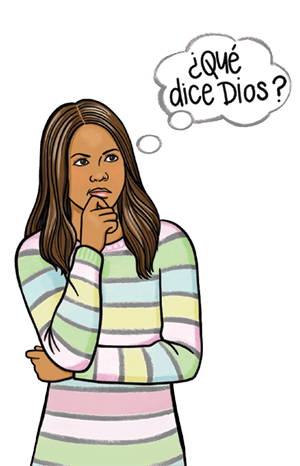
Learning a new language gives students a unique opportunity to study and learn about new cultures. Different cultures reveal to Christian students the richness and diversity of God’s creation, but they also reveal how culture impacts what we believe and value. In our Spanish program, students will study Spanish-speaking regions and their cultural practices, allowing them to explore Hispanic art, music, food, clothing, and literature.
Preparing Students to Apply a Biblical Worldview
To equip students to engage with another culture biblically, Christian language instruction should address subjects, vocabulary, and cultural issues that help students communicate biblical truth in another language and context. Our Spanish textbooks include a witnessing section designed to encourage students to share their faith with Spanish speakers. Throughout the textbook, students explore biblical worldview themes such as community, hospitality, and service, learning how each theme can be applied in their own lives.
The goal is not only to help students communicate in another language, but to function fully in it across all areas of life. Students should be able to participate in public worship in Spanish, share their testimony, and engage in cultural practices that align with a biblical worldview. The diversity of God’s creation offers rich cultural expressions, and Christians can celebrate the cultures that reflect that beauty. Our program provides resources for students and teachers to help connect content to a biblical worldview.
Scope & Sequence
Communication
- Using more than 250 Spanish words and phrases in context
- Using numbers to 100
- Developing listening-comprehension skills by moving, pointing, coloring, reading, and spelling through a variety of worktext activities
- Read-aloud books
- Recordings of conversations by native speakers
- Total physical response commands for listening and modeling
Cultures
- Describing cultural aspects of 8 Spanish-speaking countries
- Describing Hispanic culture in general
Connections
- Integrating interdisciplinary connections, such as science, math, music, and drama
- Practicing grammar, vocabulary, and pronunciation through songs, Bible verses, and Bible truths
Comparisons
- Comparing Hispanic culture with the students’ own culture through recipes, music, and additional theme-related cultural information
Communities
- Developing interest in missionary work
- Participating in community outreach activities
Communication
- Using more than 500 Spanish words and phrases in context
- Developing listening-comprehension skills by moving, pointing, coloring, reading, and spelling through a variety of worktext activities
- Read-aloud books
- Recordings of conversations by native speakers
- Total physical response commands for listening and modeling
Cultures
- Describing cultural aspects of 8 Spanish-speaking countries
- Describing Hispanic culture in general
Connections
- Making interdisciplinary connections with heritage studies, science, math, geography, and other subjects
- Practicing grammar, vocabulary, and pronunciation through songs, Bible verses, and Bible truths
Comparisons
- Contrasting Hispanic culture with the students’ own culture through recipes, music, and additional theme-related cultural information
Communities
- Developing interest in missionary work
Biblical Worldview Shaping
- Community—Evaluating cultural differences in light of biblical teaching
- Hospitality—Applying knowledge of Spanish language and culture to cross-cultural hospitality
- Service—Proposing ways to use Spanish to serve others
Communication
- Grammar
- Verbs
- Conjugation
- The verb ser
- The verb hay (haber)
- Regular -ar verbs
- Regular -er and -ir verbs
- Stem-changing verbs
- The verbs hacer and salir
- The irregular verbs ir, dar, tener, venir, oir, traer, and decir
- Tenses
- Present
- Present progressive
- Informal future
- Formal and informal commands
- Usage
- The verb gustar
- The verb ir
- The verbs ser and estar
- The verb poner
- The verb tener
- The verb pensar
- The verb jugar
- The verbs saber and conocer
- Reflexive verbs
- Conjugation
- Nouns
- Gender
- Number
- Pronouns
- Forms
- Subject pronouns
- Object pronouns
- Reflexive pronouns
- Placement
- Usage
- The pronouns tu and usted
- Forms
- Adjectives and adverbs
- Forms
- Definite and indefinite articles
- Spanish contractions
- Possessive adjectives
- Placement
- Usage
- Interrogatives
- Negation
- The verb ser and descriptive adjectives
- Intensification
- Comparatives and superlatives
- Forms
- Prepositions
- Possession with de
- Por and para
- Verbs
- Vocabulary
- Greetings: formal and informal
- Courtesy words and phrases
- People at school
- Classroom items and school supplies
- Names
- Cognates
- Nationalities
- Numbers 0–100
- Telephone numbers
- Musical instruments
- Time and schedules
- Days of the week
- School subjects
- Extracurricular activities
- Places at school
- Family
- Housing
- Household items
- Holidays and celebrations
- Downtown
- Shopping
- Colors
- Clothing
- Food
- Leisure activities
- Church and Christian service
- Travel
- Technology
- Professions
- News and weather
- Speaking
- Presentational speaking
- Interpersonal speaking
- Greetings and introductions
- Starting short conversations
- Writing
- Presentational writing
- Listening
- Audio files
- Conversations
- Reading
- Dialogs
- Informational texts
Cultures
- Spanish-speaking countries and regions
- Spain
- Mexico
- Central America
- The Caribbean
- South America
- Social etiquette
- Education
- Housing
- Holidays and celebrations
- Towns
- Sports
- Free time activities
- Time
- Travel
- Food
Connections
- History of Spanish-speaking countries
- Geography of Spanish-speaking countries
- Songs, Bible verses, and Bible truths
Comparisons
- English and Spanish vocabulary
- English and Spanish grammar
- English and Spanish syntax
- American and Hispanic cultures
Communities
- School
- Home
- Neighborhood
- World
Biblical Worldview Shaping
- Communication—Applying language abilities to show love and share the gospel
- Culture—Evaluating Hispanic cultures for good and fallen elements
- Religion—Formulating a presentation of the gospel message in the Spanish language
Communication
- Grammar
- Verbs
- Conjugation
- The verbs ser and tener
- Regular verbs
- Reflexive verbs
- The verb hay
- The irregular verbs preferir and querer
- The verb gustar
- The irregular verbs ser and ir
- Tenses
- Present progressive
- Conditional
- Preterit (past)
- Imperfect
- Formal and informal commands
- Future
- Future Conditional
- Usage
- Interrogative words
- Expressing requirements and needs
- Making suggestions
- The verbs saber and conocer
- Conjugation
- Nouns
- Gender
- Number
- Pronouns
- Forms
- Object pronouns
- Placement
- Usage
- The pronouns tu and usted
- Forms
- Adjectives and adverbs
- Forms
- Articles
- Adverb cognates
- Placement
- Usage
- Personality
- Intensification
- Comparatives and superlatives
- Frequently used adverbs
- Forms
- Prepositions
- Prepositions of location
- Verbs and prepositions of movement
- Por and para
- Verbs
- Vocabulary
- Family
- Nationalities
- Professions
- Daily routines
- School
- Time
- Transportation
- Food
- Household items
- Holidays and celebrations
- Medical terms
- Financial terms
- Travel
- Technology
- Education
- Speaking
- Presentational speaking
- Interpersonal speaking
- Writing
- Presentational writing
- Listening
- Audio files
- Conversations
- Reading
- Dialogs
- Informational texts
Cultures
- Spanish-speaking countries and regions
- Guatemala (Mayan influence)
- Mexico (Aztecs influence)
- Peru (Inca influence)
- Spain (Conquest history)
- Education
- Housing
- Holidays and celebrations
- Food
- Religion
- Cities
- Technology
Connections
- History of Spanish-speaking countries
- Geography of Spanish-speaking countries
- Songs, Bible verses, and Bible truths
Comparisons
- English and Spanish vocabulary
- English and Spanish grammar
- English and Spanish syntax
- American and Hispanic cultures
Communities
- Neighborhood
- Family
- Cities
- World
Biblical Worldview Shaping
- Culture—Explaining the culture, geography, and customs of Hispanic countries
- Witness—Applying Spanish language skills in the presentation of Bible stories
- World Mission—Evaluating the blessings and challenges described in missionary letters
Communication
- Grammar
- Verbs
- Conjugation
- Tenses
- Present
- Preterit (past)
- Imperfect
- Future
- Conditional
- Present perfect
- Past perfect
- Future perfect
- Conditional perfect
- Mood
- Imperative
- Subjunctive
- Usage
- The verbs ser and estar
- Nouns
- Gender
- Number
- Pronouns
- Forms
- Placement
- Usage
- The pronouns tu and usted
- Adjectives and adverbs
- Forms
- Placement
- Usage
- Adjectives with ser and estar
- Prepositions
- Verbs
- Vocabulary
- Prayer
- Nationalities
- Professions
- Medical terms
- Cities
- Vehicles and traffic
- Food
- Household items
- Speaking
- Interpersonal speaking
- Praying
- Creating a short story
- Narrating stories
- Evangelizing
- Writing
- Friendly letters
- Poems
- Listening
- Audio files
- Conversations
- Reading
- Following a recipe
Cultures
- Spanish-speaking countries and regions
- Mexico
- Argentina
- Spain
- Chile
- Dominican Republic
- Paraguay
- Equatorial Guinea
- Facts about Hispanic culture in general
Connections
- Interdisciplinary connections
- heritage studies
- science
- math
- geography
- other subjects
- Practice in grammar, vocabulary, and pronunciation
- Songs
- Bible verses
- Bible truths
Comparisons
- Hispanic culture and the students’ own culture
- recipes
- music
- additional theme-related cultural information
Communities
- Missionary work
- Parent participation with vocabulary clip-and-learn flashcards